Institutional tokenisation
What banks, asset managers and market infrastructure are learning as they move funds, collateral and settlement on-chain.

Tokenisation puts an existing asset, such as a fund share, a bond or gold, on a blockchain so it can settle, move and be used as collateral around the clock.
At STG-3's London summits, the people doing it have been clear: it works where it fixes an operational problem in a market that already exists, and money market funds have led the way.
Questions and answers
- What is the leading use of tokenisation so far?
- Money market funds. A tokenised fund share can earn yield and be posted as collateral at the same time, around the clock, which is why some institutions pay a few basis points more for it.
- Why money market funds came first
- Does tokenisation make an asset more liquid?
- Not on its own. An illiquid asset stays illiquid on a blockchain. Market makers can price tokenised assets around the clock, but without credit every quote must be pre-funded, and that capital cost keeps most assets illiquid.
- The billion-dollar cost of quoting
- What still holds institutions back?
- Less the rules, more the plumbing: compliance that still runs by hand, tokens that cannot leave the vault, and contracts and law that have not caught up with tokenised collateral.
- Three truths about risk and infrastructure
Insights

Tokenisation Belongs in the Bank's Capital Plan
The biggest saving from on-chain settlement is the capital banks hold against unsettled trades. Banks only collect it in full once they move to public chains.

Asset Managers Are Tokenising the Wrong Half of the Fund
Most fund tokenisation work wraps either the fund or its assets. The gain is in connecting both halves, and in telling investors what they get in plain words.

Tokenised Funds Should Compete on Utility, Not Fees
A fund that can be posted as collateral can charge a few basis points more. The premium lasts until products standardise, and the standard all want will end it.

On-Chain Liquidity Is a Credit Problem, Not a Tech Problem
Market makers can price tokenised stocks around the clock. Without credit, every quote must be pre-funded, and that capital cost keeps most assets illiquid.

Tokenised Collateral Is Ready. The Contracts Aren't.
The 2022 gilts crisis showed safe assets stuck in slow wrappers. Tokenisation fixes the wrapper. What still blocks it is contracts and law, and that is our job.

Intermediaries Will Survive On-Chain by Selling Recourse
DeFi's code held up in a sharp sell-off. What it cannot offer is someone to hold to account. That is the business custodians keep, and the toll they lose.

Tokenised Gold Will Win as Collateral, Not a Cheaper ETF
A family office turned a gold storage bill into a 5% return by borrowing against tokenised gold. That, not lower fees, is what will bring institutions in.

Compliance Is Now an Engineering Problem
Regulators have mapped crypto onto rules they know. What holds institutions back now is compliance that runs by hand and tokens that cannot leave the vault.

Why Money Market Funds Became the Institutional Gateway to Tokenized Yield: A Case Study in Viable Financial Innovation
The tokenization of yield-bearing assets has become one of the most significant infrastructure developments in institutional finance since the emergence of electronic trading. Yet contrary to prevailing narratives about blockchain’s transformative potential, the most successful implementation has been profoundly unglamorous: the tokenization of money market funds. This analysis examines why money market funds—among…

A London Summit Moment: When Wall Street Admits Blockchain Might Actually Work
The RWA & Stablecoins London Summit 2026 revealed something major—traditional finance is quietly moving billions into tokenized yield. Here’s what just changed. The Shift That Matters If you were in London last month for the RWA & Stablecoins Summit, you witnessed something rarely seen in financial markets: the moment the old guard stops dismissing the…

The Tokenized Yield Inflection Point: What the London Summit Revealed About the Real Timeline
A panel of practitioners building tokenized yield infrastructure just admitted something important: this is working, but not the way hype predicted. Here’s what they actually believe. The Real Assessment At the RWA & Stablecoins London Summit 2026, five people building tokenized yield infrastructure got on a panel to discuss what’s actually happening versus what people…

Latest Developments in Tokenization: April 2025
The tokenization landscape continues to evolve rapidly, marked by significant developments that highlight the integration of blockchain technology into traditional financial services and the dynamic nature of digital assets. Here are some of the latest events:

Navigating the Regulatory Maze: Key Insights from the RWA London Summit
The “Digital Asset Regulation: The Next Chapter” panel at the RWA London Summit 2025 brought together an exceptional group of regulatory experts to discuss the evolving landscape of digital asset regulation. Moderated by Delphine Forma, Policy Lead at Solidus Labs, the panel featured Oumou Ba (Head of Compliance at B2C2), Alex Royle (Co-founder and Chief Regulatory Officer at Core Prime), and Chris Smith (Chief Compliance Officer at Galaxy Digital).
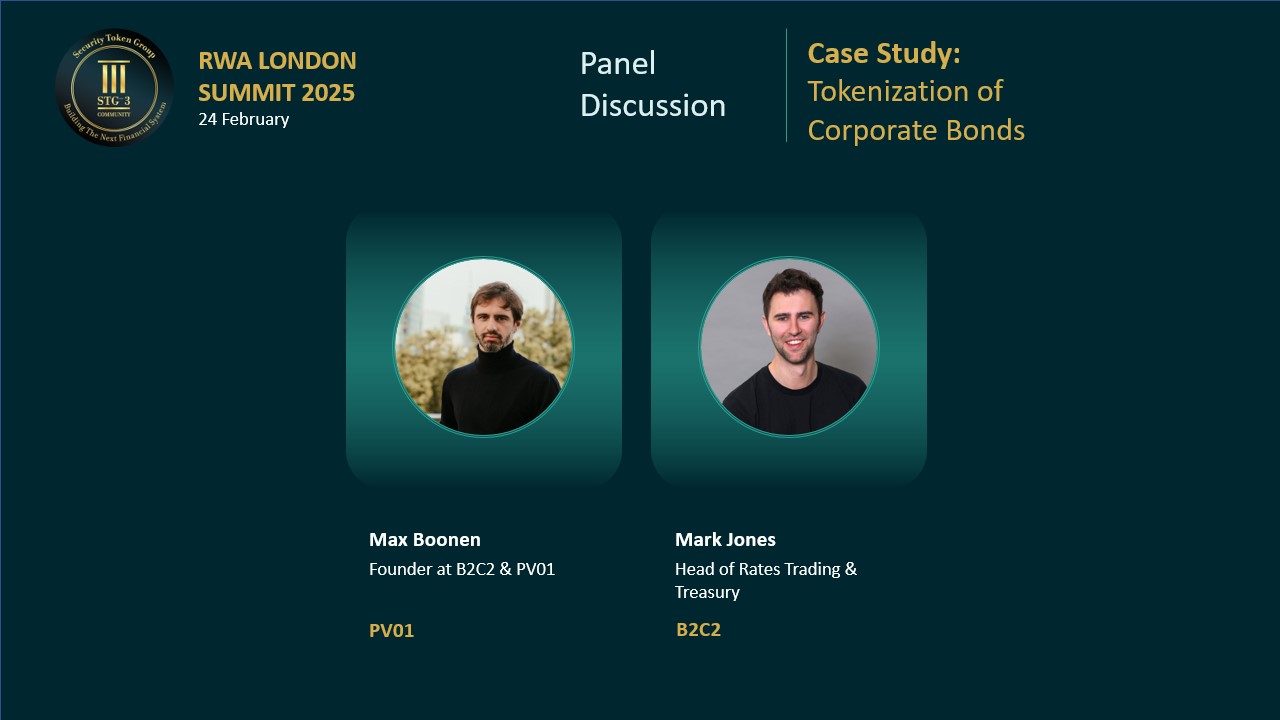
The Evolution of Crypto Credit Markets: Insights from RWA London Summit
The “Case Study: Tokenization of Corporate Bonds” session at RWA London Summit 2025 provided a rare window into the evolution of crypto credit markets from industry pioneers who helped build them.




Podcasts
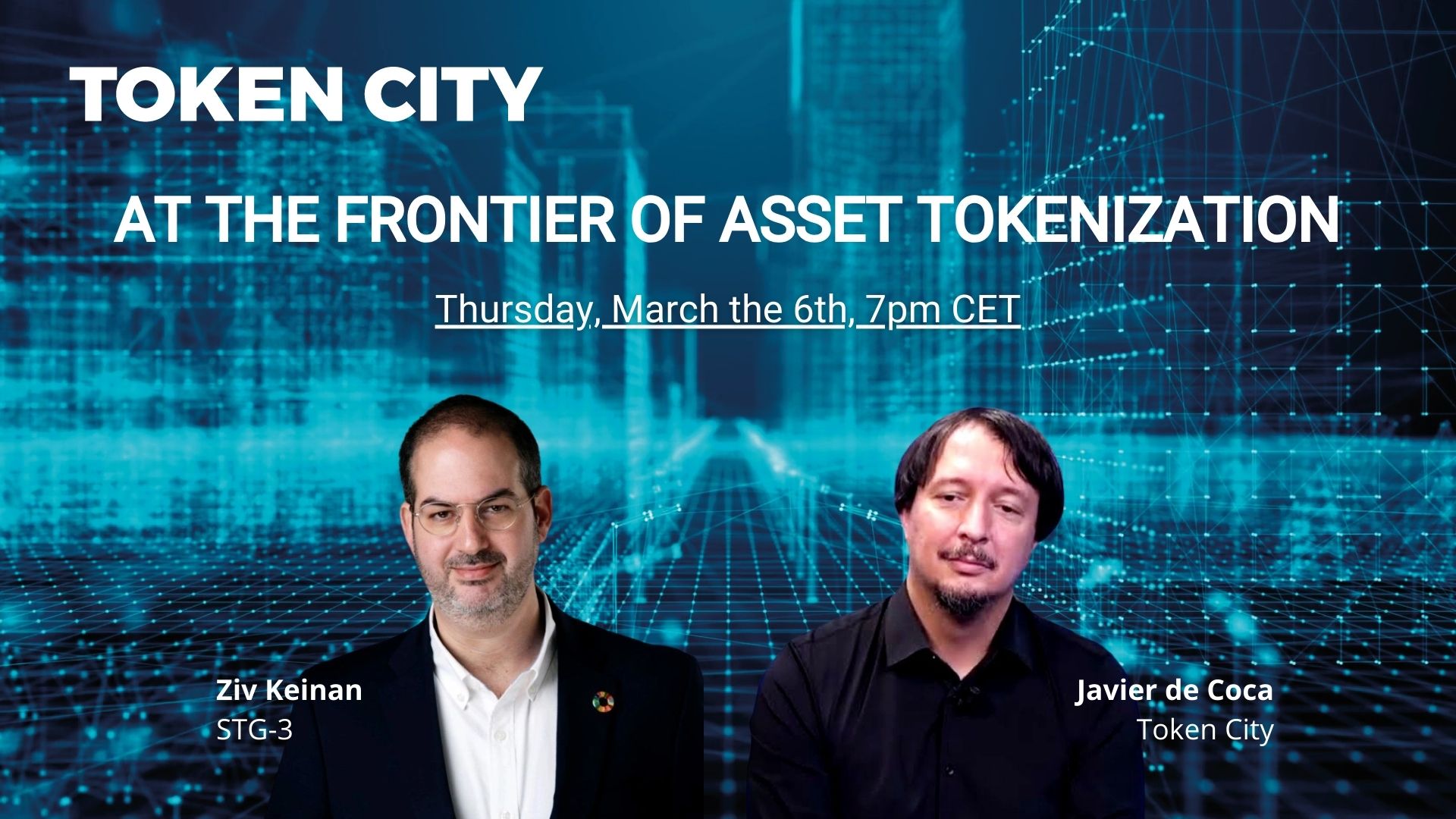
The Future of Digital Assets with Ziv Keinan: Token City Show Negocios Televisión
Ziv Keinan, founder of STG-3, on the Token City Show: his career in tokenisation, what he heard at the STG-3 real-world asset summit in London, how the new US administration's position on CBDCs...

Continue the conversation at The Programmable Economy
One day in London with the institutions building tokenised markets, digital money and AI agents into finance.